
For the first time in 2026, Nigeria’s food inflation has slowed down. If you are already picturing cheaper garri and tomatoes next time you go to the market, abeg hold on. The real story is a bit different, and more useful.
Explain it like I’m 5
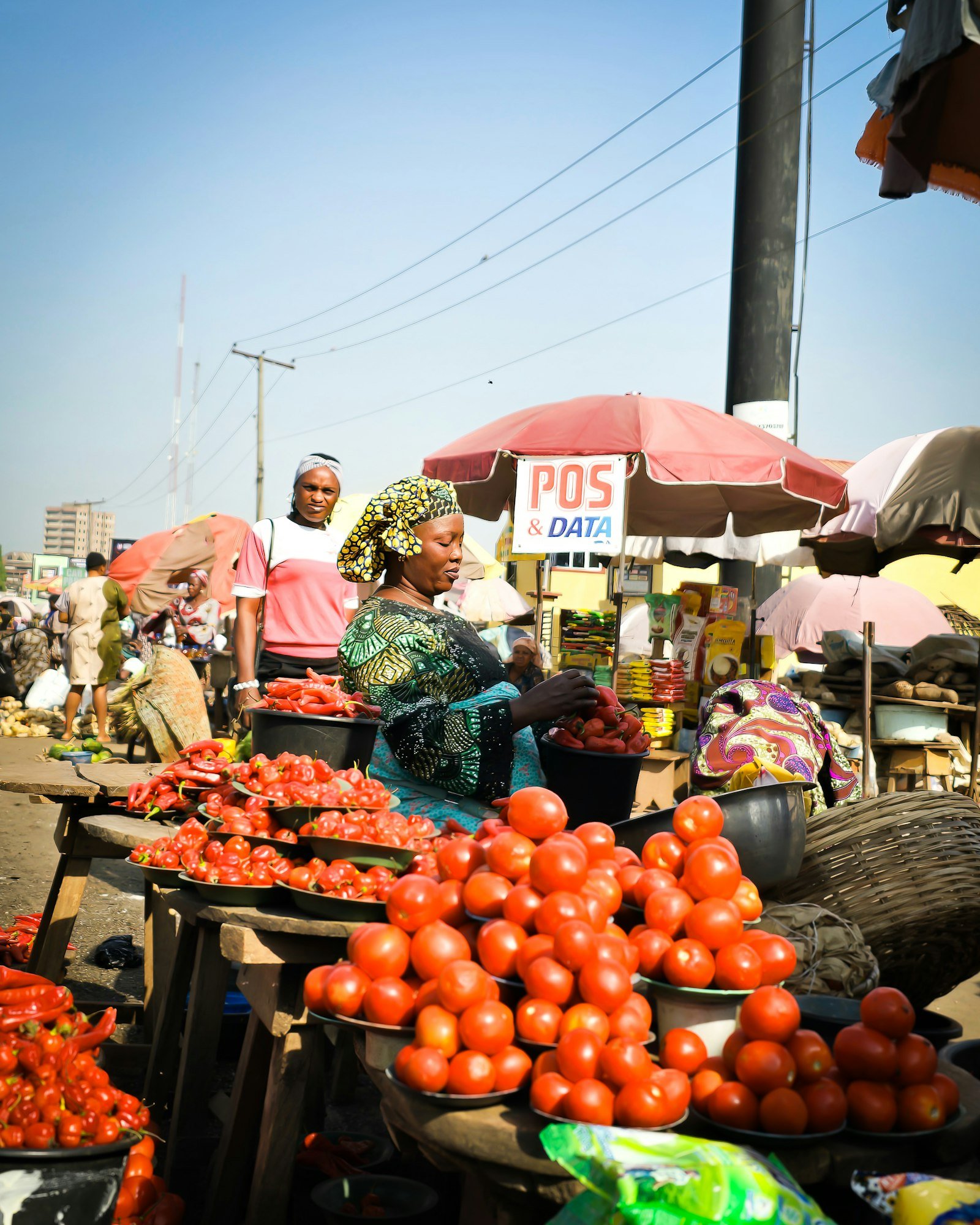
Think of a basket of tomatoes at the market. For most of 2026, the seller kept adding more money to the price every week. In August, for the first time this year, she added less. Is the tomato cheaper? No. It is still more expensive than last month. She has only slowed down how much she adds. You are still paying more, just not as much more as before.
The Key Number: Food Inflation at 19.57%
Nigeria’s food inflation slowed to 19.57% in August 2026, from 20.31% in July. BusinessDay reports it is the first slowdown in food inflation this year. In August 2025 it was 25.30%, so over the full year the picture is much better, even though this month’s move is small. Month-on-month, food prices rose only 1.02% in August, compared with a big 5.56% jump in July.
Why Food Inflation Matters More Than the Headline Number for Many Families
Nigeria’s overall (headline) inflation was 15.39% in August. Food inflation, at 19.57%, is higher. If food takes a big share of your monthly money, and it does for most families, food inflation is a much better guide to how tight things are than the headline figure the news leads with.
Does This Mean Food Prices Are Falling?
No, and it is worth repeating until it sticks. Slower food inflation means food is still getting more expensive, just more slowly. Your derica of rice, your basket of tomatoes and your bag of garri will still cost more than last month. They will not go up as sharply as they did between June and July. Part of the relief comes from harvest-season supply of things like cassava, yam and fresh produce. It is not a real price drop.
How Food Inflation Affects a Household Budget
A slower rise is good direction, but it does not give back the ground you have already lost. If your food spending has gone up by 20% or more over the past year and your income has not kept up, you are still carrying that gap. The slowdown only means the gap will grow more slowly from now on. In practice:
- Your weekly market spending will keep rising, just more gently than mid-year
- Staples like rice, garri and beans should still be budgeted at higher-than-last-year prices
- Prices differ a lot from place to place. According to NBS data, Adamawa, Zamfara and Bayelsa have food inflation above 36%, far above the national average
How Food Inflation Affects Restaurants and Food Sellers
If you sell food, the national slowdown does not mean your own costs have eased. It is an average across many foods, and your supplier’s prices depend on what you actually buy. Before you hold your prices, check your own receipts from your suppliers and market.
Practical Ways Families Can Manage Food Spending
- Buy what is in season and grown locally. Harvest-season foods like cassava and yam are helping prices right now, and buying them stretches your money.
- Track your top 10 items every month instead of the whole basket. It is faster and shows you exactly where prices are moving.
- Buy staples in bulk when the price dips, but only what you will really use. Do not assume next month will be cheaper.
- Compare markets, not just stalls. Prices can be very different from one market to another.
What Not to Do When Prices Feel Uncertain
Do not relax your food budget just because August was better. One good month does not promise the trend will continue, especially into the festive season when demand goes up. Do not stock up on too much because you feel prices will keep falling. Buy based on what you can see today.
What to Watch in the Next NBS Report
Watch whether the slowdown continues in September and October. A second month of easing is stronger evidence than one. Also look at the state-by-state figures, because the national average can hide serious pressure in some states. We follow this in our Inflation & Interest Rates section. You can also read our explainer on what August’s headline inflation means for your money.
Bottom Line: What This Means for Your Market Basket
Your market basket is not getting cheaper. It is getting more expensive more slowly. After a year of fast-rising food prices, that is good news, but it is not yet relief. Plan for increases, just gentler ones than you saw mid-year.
Visit NairaDecoded.com for more practical guides that turn inflation data into everyday money decisions.
Sources
- Food inflation eases for first time in 2026 — BusinessDay
- Nigeria’s food inflation drops for first time in six months to 19.57% — Nairametrics
- Food Inflation Falls to 19.57% in August, 10 States Record Lowest Rates — Legit.ng
- Primary data: National Bureau of Statistics (NBS) — CPI & Inflation Reports
This article explains published economic data and is not financial advice. See our Disclaimer. Figures are accurate as of the sources’ publication dates and may have changed since. Always check the latest NBS report for current numbers.
FAQ
Does food inflation slowing to 19.57% mean food prices are falling?
No. Food prices are still rising, just more slowly than in July. Real price drops (deflation) are rare and are not what this data shows.
Why is food inflation higher than Nigeria’s headline inflation?
Food inflation only counts food and drink, which is rising at 19.57%. Headline inflation (15.39%) is an average of everything households buy, including things that are rising more slowly than food.
Which Nigerian states have the highest food inflation?
According to NBS data for August 2026, Adamawa, Zamfara and Bayelsa had the highest food inflation, all above 36%, far higher than the national average of 19.57%.



[…] Watch whether August’s slowdown continues in a second and third month. That would show a real trend, not a one-off. Also look at the state-by-state figures, since the national average can hide heavy pressure in some places. For the full August numbers, see our food inflation explainer. […]