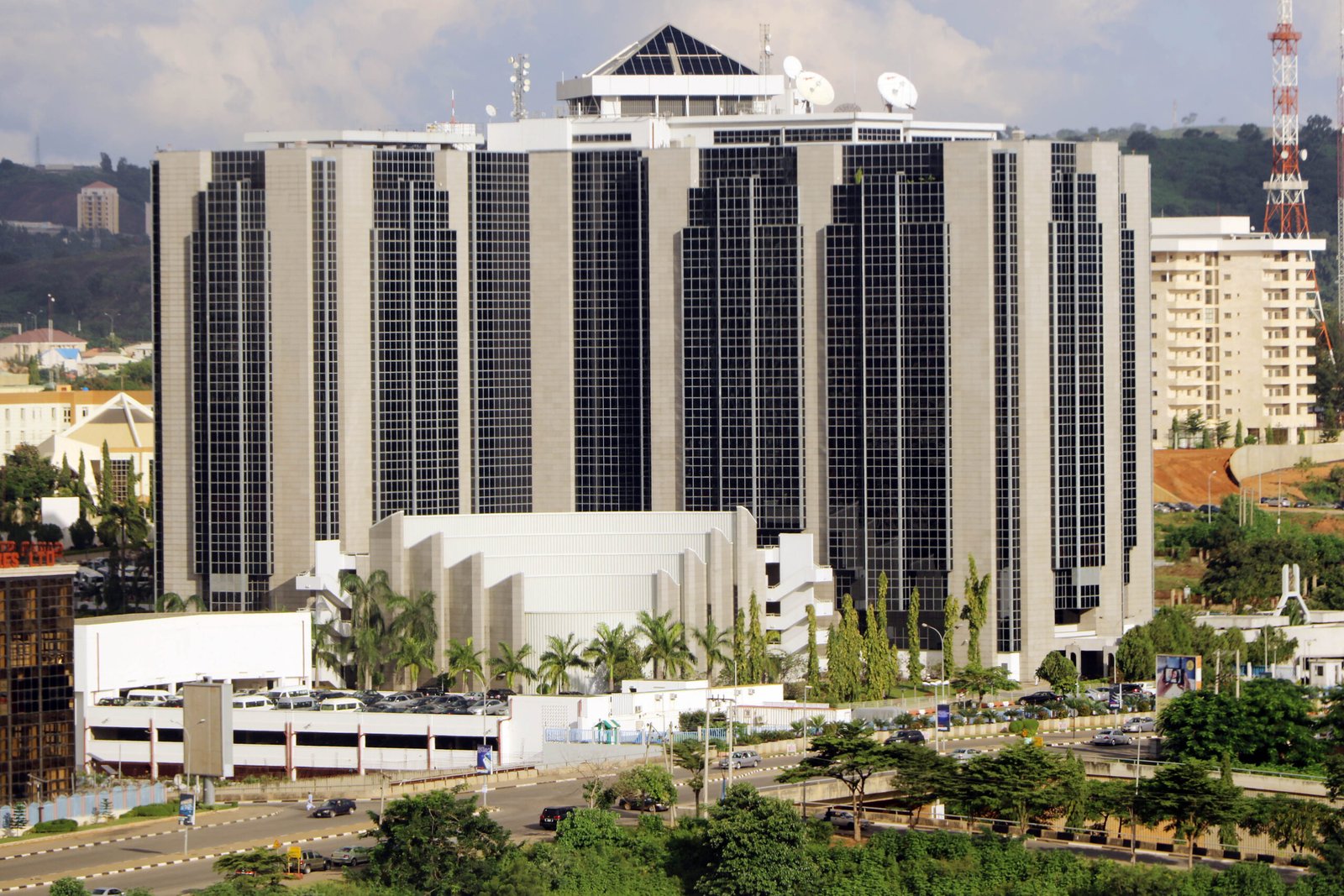
By the NairaDecoded Editorial Team. Based on the Central Bank of Nigeria’s published Monetary Policy Committee decisions and reporting by Nairametrics, Blueprint and BusinessDay. Last updated: 24 October 2026.
Key takeaways
- The CBN cut the Monetary Policy Rate (MPR) from 26.5% to 23% at its 21–22 September 2026 meeting, a cut of 3.5 percentage points.
- Inflation is 14.63%, so even after the cut, the policy rate is still well above inflation.
- One-year Treasury bill rates had already fallen, from a peak of 17.70% in July to 15.85% in early October.
- Banks still have to keep 45% of deposits with the CBN, which limits how quickly cheaper loans appear.
The news
At its 307th meeting, the CBN’s Monetary Policy Committee (MPC) “reset” the MPR to 23%. In July, it had held the rate at 26.5%. Governor Olayemi Cardoso linked the move to falling inflation. The CBN also said the cut should not be read as a change in its overall stance: it still sees itself as fighting inflation, just with less force than before.
Back in September, we explained why cooling inflation opened a window for a rate cut. That window has now opened.
The numbers
| Setting | Before (July 2026) | Now (September 2026) |
|---|---|---|
| Monetary Policy Rate (MPR) | 26.5% | 23% |
| Corridor around the MPR | +50 / -450 basis points | +50 / -300 basis points |
| Cash reserve requirement (commercial banks) | 45% | 45% (unchanged) |
| Headline inflation | 15.39% (August) | 14.63% (September) |
Source: CBN MPC decisions; NBS. One basis point is one-hundredth of a percentage point, so 300 basis points = 3 percentage points.
Explain it like I’m 5
The MPR is the CBN’s main “price of money”. When the CBN lowers it, borrowing gets a little cheaper across the economy. But it is like turning down a big water tap at the top of a building. The flow changes at the top straight away, but it takes time to reach the taps on every floor. Your bank is one of those floors.
The explanation: why cut now, and why only some of it reaches you
Why the CBN cut
The CBN raises rates to make borrowing expensive and cool spending when inflation is high. Inflation has now slowed four months in a row. With inflation at 14.63% and the MPR at 26.5%, the gap between them had become very wide. That gap is called the real interest rate. Even after the cut, it is still about 8.4 percentage points (23% minus 14.63%), which is still tight by most standards.
Why your loan rate won’t drop by 3.5 points tomorrow
- Banks set their own lending rates. The MPR is a signal. Banks also price in their funding costs, the risk of the borrower and their own profit.
- The cash reserve requirement stayed at 45%. Banks must park nearly half of new deposits with the CBN, where they earn nothing. That keeps their cost of lending high.
- Fixed-rate loans don’t change. If your loan has a fixed rate, the cut does nothing for you until you refinance or take a new loan.
The impact on your money
If you have a loan
Variable-rate loans may get slightly cheaper over the coming months. Here is a hypothetical example. If your bank passed on the full 3.5-point cut to a ₦2,000,000 loan, the interest would fall by about ₦70,000 a year (₦2,000,000 × 3.5%). In practice, expect banks to pass on less than the full cut, and slowly.
If you save
The other side of cheaper loans is lower returns on savings. Fixed deposit and money market fund rates tend to follow interest rates down. If you are rolling over a fixed deposit, compare offers before you accept the new rate.
If you buy Treasury bills
One-year Treasury bill rates were already sliding before the cut. The 364-day stop rate fell to 15.85% at the 7 October auction, down from 17.70% in July. With inflation at 14.63%, that leaves a real return of only about 1.1% a year (1.1585 ÷ 1.1463 − 1). Our earlier piece on falling T-bill rates explains how auctions work.
If you run a business
Cheaper borrowing is good news for businesses that rely on credit for stock or equipment, but it will arrive gradually. Do not plan around a big fall in loan rates in the next quarter.
A real-life example
Tunde has a ₦5 million fixed deposit maturing in November. He also has a variable-rate car loan. The rate cut works in two directions for him: his car loan may get a little cheaper over time, but his fixed deposit will probably roll over at a lower rate than before. Overall, the cut helps borrowers more than savers.
This is an illustrative example, not a real person.
Your options
- Ask your bank whether your loan rate is fixed or variable, and when it reprices.
- Compare before you roll over a fixed deposit. Rates differ between banks.
- Check real returns, not just headline rates. Subtract inflation (14.63%) from any rate you are offered.
- Don’t rush into new debt just because rates are falling. A 23% benchmark rate is still high.
What to watch
- Bank lending rates over the next one to three months. Are they actually falling?
- Treasury bill auctions. If the one-year rate keeps falling, savings returns will follow.
- The October inflation report in mid-November. Further rate cuts depend on inflation continuing to slow.
- The cash reserve requirement. A cut to the 45% level would matter more for loan rates than another MPR cut.
Bottom line
A 3.5-point cut is a big move, and it confirms that the inflation fight is entering a new phase. But it is a signal at the top of the system, not an instant discount on your loan. Borrowers should see gradual relief. Savers should expect lower returns. In both cases, the real interest rate (rate minus inflation) is the number to watch.
Sources
- Central Bank of Nigeria: Monetary Policy Committee decisions
- Why CBN reset benchmark rate at 23% and recalibrated interest rate corridor (Blueprint)
- CBN retains interest rate at 26.5% (Nairametrics, July 2026)
- 364-day stop rate falls to 15.85% (Nairametrics)
- Nigeria’s inflation drops to 14.63% (BusinessDay)
- Featured image: GodwinPaya, CC BY-SA 4.0, via Wikimedia Commons.
This article explains published policy decisions and is not financial advice. See our Disclaimer. Rates change often; check current rates with your bank before making decisions.
FAQ
What is the CBN interest rate now?
The Monetary Policy Rate is 23%, cut from 26.5% at the MPC meeting of 21–22 September 2026.
Will my loan get cheaper after the CBN rate cut?
Only if it has a variable rate, and probably slowly and by less than the full 3.5 points. Banks set their own lending rates, and the 45% cash reserve requirement keeps their costs high.
Is the CBN rate cut bad for savers?
It tends to lower returns on fixed deposits, money market funds and Treasury bills over time. Compare offers and check the real return after inflation.
What is the real interest rate in Nigeria?
Using the MPR, about 8.4 percentage points: 23% minus September inflation of 14.63%.