By the NairaDecoded Editorial Team. Based on state-level figures in the National Bureau of Statistics (NBS) September 2026 CPI report, as reported by BusinessDay. Last updated: 24 October 2026.
Key takeaways
- Lagos had the highest food inflation in Nigeria in September 2026: 34.40% year-on-year.
- That is about 15 percentage points above the national food inflation rate of 19.59%.
- Nationally, food prices fell 1.55% in the month, but city costs such as transport and energy kept rising.
- A food budget that was ₦150,000 a month in Lagos a year ago would need about ₦201,600 today to buy the same things.
The news
When the NBS published September’s inflation figures, the headline was good: inflation fell to 14.63% and food prices dropped in the month. But the state tables told a different story for Nigeria’s biggest city. Lagos recorded food inflation of 34.40%, ahead of Imo (33.79%) and Ondo (31.49%). At the other end, Taraba recorded -7.47%, meaning food there was cheaper than a year ago.
The numbers
| Place | Food inflation, September 2026 (year-on-year) |
|---|---|
| Lagos | 34.40% |
| Imo | 33.79% |
| Ondo | 31.49% |
| Nigeria (national) | 19.59% |
| Borno | 2.18% |
| Yobe | -0.37% |
| Taraba | -7.47% |
Source: NBS September 2026 CPI report, as reported by BusinessDay.
Explain it like I’m 5
Imagine a bag of tomatoes leaving a farm in the north. Every stop it makes on the way to a Lagos market adds a little to its price: the truck, the fuel, the roadblocks, the loaders, the market stall rent. By the time it reaches your kitchen, you are paying for the whole journey, not just the tomatoes. Lagos sits at the end of a long journey, so its food carries the biggest bill.
The explanation: why Lagos runs ahead
The NBS publishes the numbers but not the reasons for each state. Analysts generally point to a few factors that hit big cities harder. We cannot say how much each one contributes, but they help explain the gap:
- Distance from farms. Most of Nigeria’s food is grown far from Lagos, so transport costs are built into almost everything in the market.
- Energy and transport costs. Nationally, energy prices rose 5.38% in September alone, and transport was one of the biggest contributors to inflation. Those costs pass straight into city food prices.
- Insecurity on supply routes. Disruptions on farm-to-city routes reduce supply and add risk costs, a point analysts repeatedly raise.
- City overheads. Higher rent for shops and stalls, plus storage and handling costs, add to the final price.
- Harvest effects reach farm states first. When harvest pushes prices down, the biggest drops tend to show up near where food is grown. That fits with states like Adamawa, Kano and Bauchi recording the biggest monthly falls in food prices.
The impact on your money
Here is what 34.40% looks like in practice, using simple examples:
| Monthly food spend a year ago | Same food today at Lagos rate (34.40%) | Same food at national rate (19.59%) |
|---|---|---|
| ₦100,000 | about ₦134,400 | about ₦119,590 |
| ₦150,000 | about ₦201,600 | about ₦179,385 |
| ₦250,000 | about ₦336,000 | about ₦298,975 |
In other words, a Lagos household spending ₦150,000 a month on food last September needs roughly an extra ₦51,600 a month just to stand still. That is more than ₦600,000 a year.
A caveat: state-level inflation figures can swing a lot from month to month, and they measure averages. Your own basket may have risen more or less, depending on what you buy and where.
A real-life example
Bisi lives in Ikorodu and shops weekly at her nearest market. She has noticed that tomatoes and pepper got a little cheaper in September, but rice, transport to the market and cooking gas did not. When she adds up her monthly spend, it is still about a third higher than last year, even though the news says food prices fell.
This is an illustrative example, not a real person.
Your options
- Buy closer to the source. Large wholesale markets often price below neighbourhood markets. Weigh the saving against the transport cost of getting there.
- Bulk-buy with others. Splitting a bag of rice or a basket of tomatoes with neighbours or colleagues gets you wholesale prices without needing big cash or storage.
- Use the harvest window. Prices of some staples dip during harvest. Buying dry goods like rice, beans and garri now can lock in lower prices if you can store them safely.
- Track your basket for one month. Write down what you buy and what you pay. It shows which items are really driving your costs.
- Swap, don’t skip. Switching between similar foods as prices move (for example, between yam, plantain and garri) protects your nutrition and your budget.
For more ideas, see our guide to 9 smarter ways families can cope with food prices.
What to watch
- The October state figures in the NBS report due mid-November. Is the Lagos gap narrowing?
- Fuel and diesel prices, which feed straight into transport and market prices.
- The end of harvest season. Food prices often rise again after the harvest.
Bottom line
The national headline says food prices fell in September. In Lagos, the year-on-year picture is still very tough: food is about a third dearer than last year. The headline average is real, but it is an average. If you live in a big city far from where food is grown, your cost of living is likely running well ahead of it. For the full national picture, read our September inflation decode.
Sources
- Nigeria’s inflation drops to 14.63% as food prices fall in September (BusinessDay)
- Structural costs keep Nigerian food prices elevated despite ongoing harvest (Streamline Feed)
- Primary data: National Bureau of Statistics (NBS), CPI and Inflation Reports
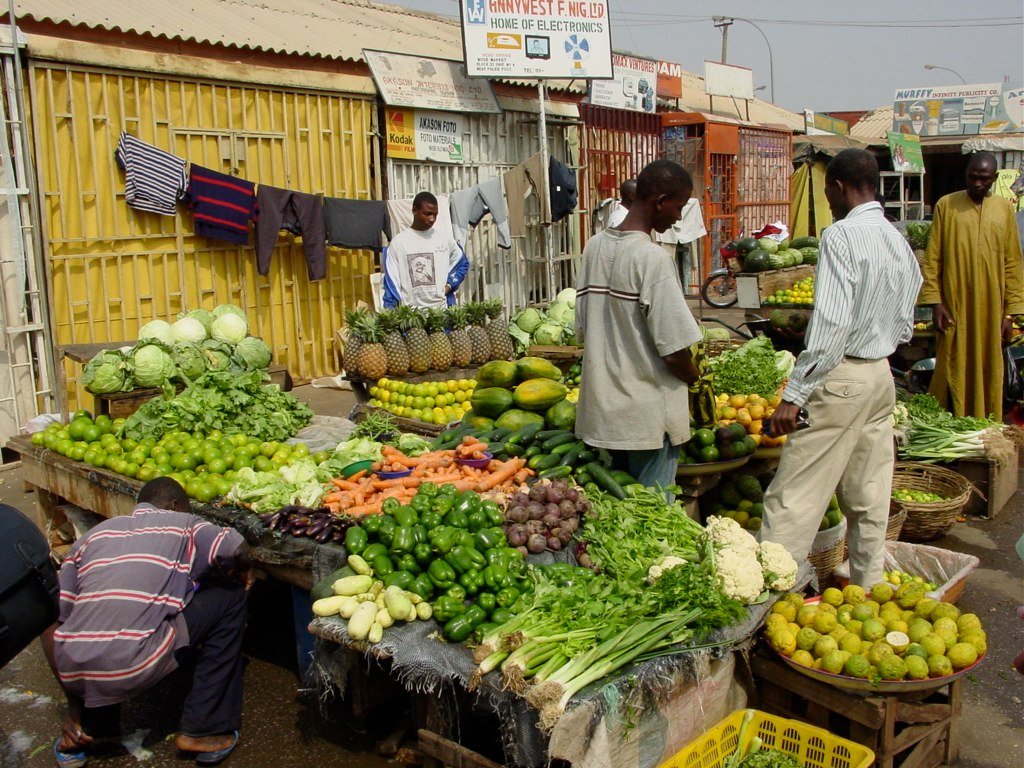
- Featured image: “Wuse Market” by Jeff Attaway, CC BY 2.0, via Flickr.
This article explains published economic data and is not financial advice. See our Disclaimer. Figures are accurate as of the sources’ publication dates and may have changed since.
FAQ
What is Lagos food inflation in September 2026?
34.40% year-on-year, the highest of any Nigerian state, according to NBS figures reported by BusinessDay.
Why is food more expensive in Lagos than elsewhere in Nigeria?
Analysts point to the distance from farming areas, transport and energy costs, insecurity on supply routes and higher city overheads. The NBS does not publish a breakdown of causes by state.
Did food prices fall in Nigeria in September 2026?
Nationally, yes: food prices fell 1.55% between August and September. But compared with a year earlier, food was still 19.59% dearer nationally and 34.40% dearer in Lagos.