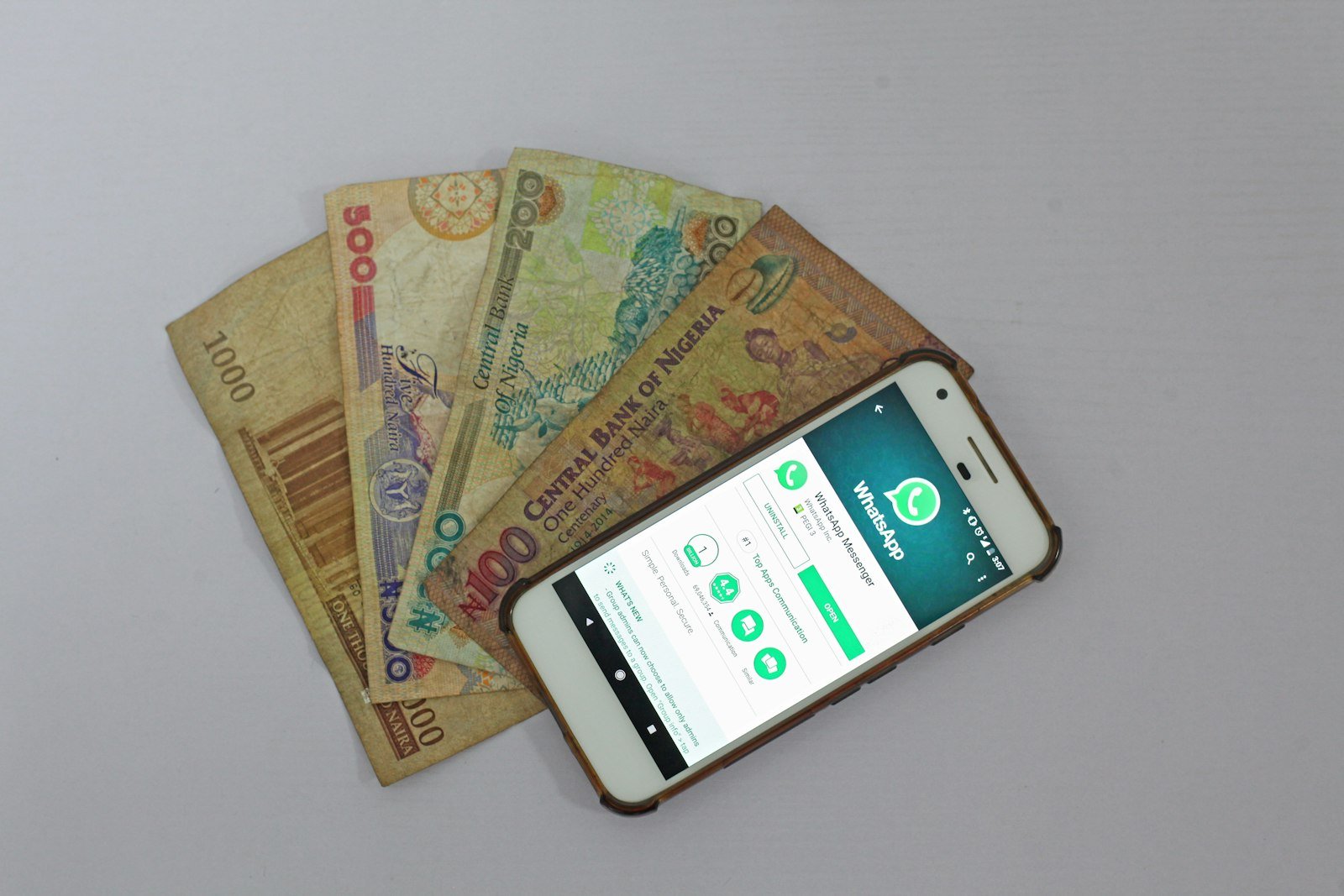
A loan alert can arrive in minutes, and that is exactly why some people get trapped. Some apps charge heavy fees, grab your phone contacts, and shame borrowers in front of family and friends. Nigeria now has rules against this. Here is how to protect yourself before you borrow.
Explain it like I’m 5
A loan app is like a stranger who knocks on your door and says, “I can help you with money.” Before you open the door, you check his ID. In this case the ID is the register kept by the Federal Competition and Consumer Protection Commission (FCCPC). If he is not on the list, do not open the door.
What the rules say
The FCCPC’s Digital, Electronic, Online or Non-Traditional Consumer Lending Regulations, 2025 require digital lenders to register. Reports on the regulations say lenders are banned from accessing your phone contacts, photos or personal files, and from harassment, threats and public shaming. They also cannot send messages about you to your contacts, and they need your clear consent before they lend.
The 7 red flags
- The company is not on the FCCPC register. Check the company name behind the app, not the app store ranking.
- It asks for your contacts, photos or files. Reports on the rules say lenders are not allowed to access these.
- It asks you to pay first. If an app asks you to send money before you receive the loan, treat it as a scam. A real lender takes charges out of the loan or adds them to the repayment, and shows them clearly.
- You cannot see the total you will repay. Before you accept, you should know the full amount and the date.
- The repayment period is very short and the pressure is high. “Pay in 7 days or we will call everyone” is a warning.
- It threatens or shames you. Name-calling, threats and messages to your contacts are banned under the rules.
- You cannot find a real company. No registered name, no address, only a WhatsApp or Telegram number, or a payment to someone’s personal account.
How to check the FCCPC register
- Open the FCCPC page “Registration of Digital Money Lenders” at fccpc.gov.ng.
- Look through the lists. The page has an approval list, a conditional approval list, a watchlist, a list of delisted apps, and a list of lenders licensed by the CBN.
- Search for the company name and the app name (use your browser’s find function, because the page does not have a search tool).
- If the lender calls itself a bank or microfinance bank, also confirm its licence with the Central Bank of Nigeria.
- If you cannot find it, do not borrow.
If you are being harassed
- Take screenshots of every message, call log and threat.
- Stop giving the app new permissions and remove permissions you already gave it in your phone settings.
- Report the lender to the FCCPC through its complaints channel.
- If your personal data was misused, you can also report to the Nigeria Data Protection Commission.
- Tell your family and friends before the app does, so a shaming message does not catch them by surprise.
Before you borrow at all
Ask whether you really need a loan today. Check whether your employer offers a salary advance, whether your cooperative society can help, or whether you can delay the expense. If you do borrow, compare the total repayment, not the monthly figure.
Follow Scam Decoded on NairaDecoded.com for plain-English guides that help you avoid money traps.
FAQ
How do I know if a loan app is approved?
Find the company on the FCCPC’s register of digital money lenders. If it is not on the approval or CBN-licensed lists, treat it as unsafe.
Can a loan app message my contacts?
Reports on the 2025 regulations say lenders are barred from accessing your contacts and from sending defamatory messages to your family or friends.
Where do I report a loan app?
Report it to the FCCPC through its complaints channel. If your data was misused, also consider the Nigeria Data Protection Commission.
Sources
- Registration of Digital Money Lenders — FCCPC
- Digital, Electronic, Online or Non-Traditional Consumer Lending Regulations, 2025 — FCCPC
- FCCPC Cracks Down on Loan Apps: 7 Key Rules — Legit.ng (17 April 2026)
- FCCPC expands approved loan app list, raises total to 505 — P.M. News (27 June 2026)
This article is general information, not legal advice, and does not recommend any lender. The FCCPC register changes, so check the live list before you borrow. See our Disclaimer.